A personal planner is one of the most powerful tools you can use to take control of your time, hit your goals, and reduce daily stress. Whether you’re a busy professional, a stay-at-home parent, or a student juggling multiple responsibilities, the right planner can completely change the way you manage your day.
In this guide, you’ll learn everything you need to know about personal planners — what they are, why they work, and how to choose the best one for your lifestyle. We’ll also compare paper and digital options, share expert tips, and point you to some of the best planner resources available today.
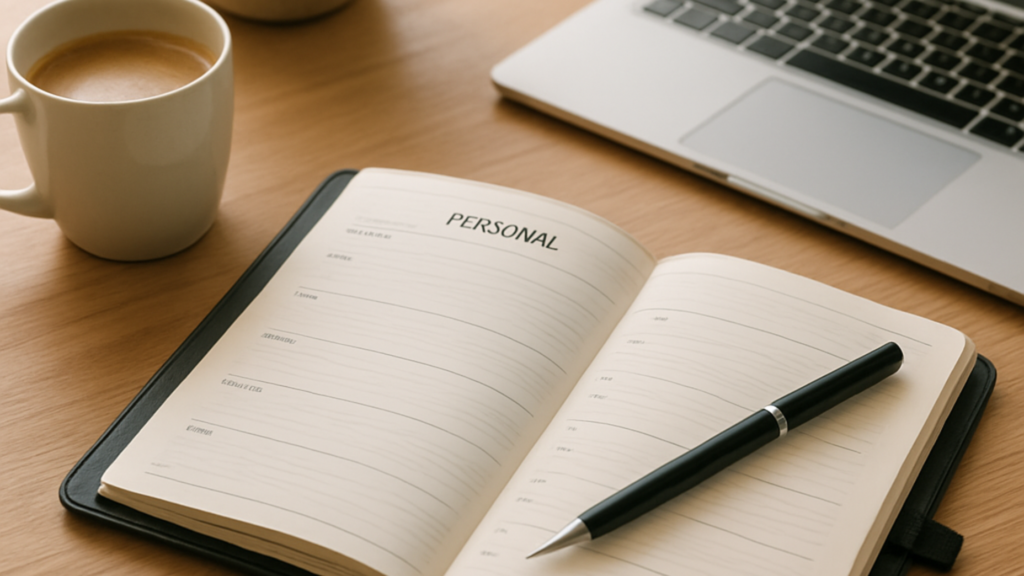
A personal planner is a tool — physical or digital — that helps you organize your schedule, tasks, goals, and priorities in one place. Think of it as your personal assistant. It keeps everything you need to do visible, organized, and manageable.
Unlike a regular calendar that only tracks dates, a personal planner goes deeper. It helps you:
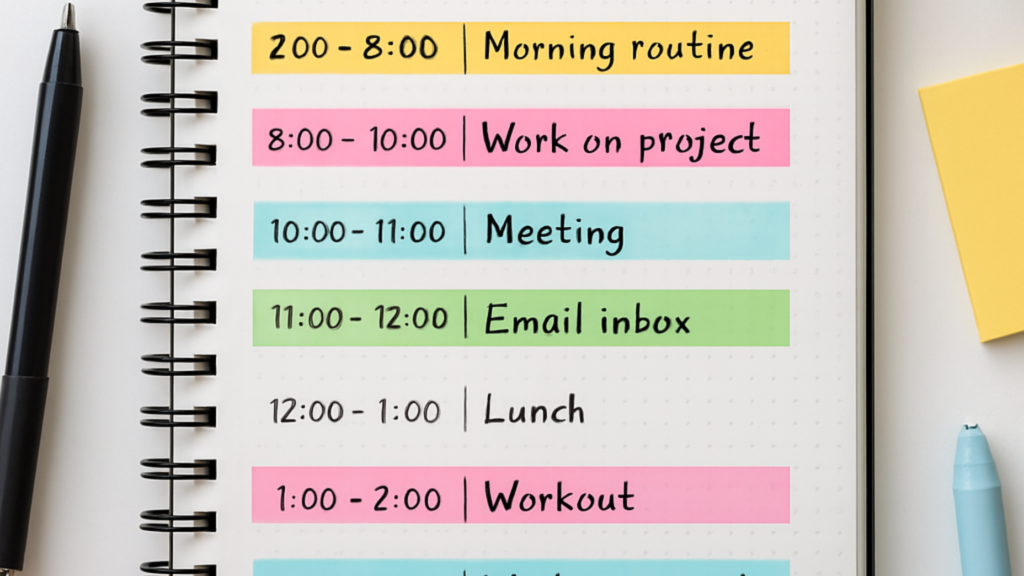
Plan your day hour by hour
Set weekly and monthly goals
Track habits and progress
Prioritize what matters most
Reflect on your wins and challenges
A great personal planner bridges the gap between where you are and where you want to be.
Why You Need a Personal Planner in 2026
Life is busier than ever. Between work, family, health, finances, and personal growth, it’s easy to feel overwhelmed. A daily planner gives you a simple system to cut through the noise.
Here’s why millions of people swear by using a personal planner every day:
Top Benefits of Using a Personal Planner
Better time management — See exactly where your time goes and stop wasting it
Less stress — When everything is written down, your mind stops spinning
Increased productivity — Prioritized to-do lists help you focus on what counts
Clearer goals — A goal planner keeps your ambitions visible and actionable
Greater accountability — You’re more likely to follow through when it’s on paper
Improved work-life balance — Plan rest and personal time, not just work tasks
Positive momentum — Checking off tasks builds confidence and motivation
Studies consistently show that people who write down their goals are significantly more likely to achieve them. A personal planner makes that habit automatic.
Not all planners are the same. The best personal planner for you depends on your lifestyle, goals, and preferences. Here’s a breakdown of the most popular types:
1. Daily Planner
A daily planner breaks your day into time blocks or task lists, helping you stay on track from morning to night. It’s perfect for people with packed schedules who need to manage every hour.
A goal planner — sometimes called a life planner — helps you break big dreams into small, actionable steps. It typically includes goal-setting pages, habit trackers, and monthly reviews.
A productivity planner focuses on helping you do deep work efficiently. It often includes prioritization frameworks, time-blocking sections, and weekly reflection prompts.
A printable planner is a PDF you download and print at home. It’s cost-effective and flexible — you can print as many pages as you need. Great for people who like to write by hand but want to customize their layout.
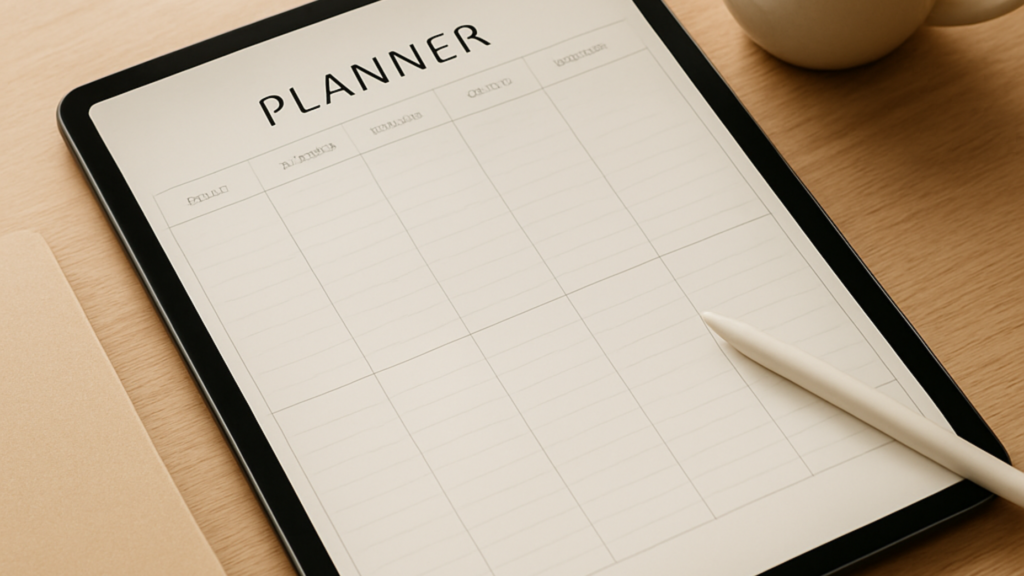
A digital planner is an interactive PDF used on tablets (like an iPad with GoodNotes). It combines the feel of writing with the convenience of technology — no printing needed.
A personalized planner is customized to your specific needs — your name, your schedule layout, your goals. These are ideal for people who want a planner that feels truly theirs.
Paper vs. Digital Personal Planner: Which Is Better?
One of the most common questions people ask is: Should I use a paper planner or a digital planner?
The honest answer: it depends on you. Here’s a simple comparison to help you decide.
Feature
Paper Planner
Digital Planner
Writing experience
Natural, tactile feel
Stylus on screen (similar)
Cost
One-time purchase
One-time or subscription
Portability
Carry everywhere
Tablet/phone needed
Customization
Limited (fixed pages)
Highly flexible
Eco-friendly
Uses paper
No printing needed
Search & organize
Manual only
Instant search
Backup
Risk of loss/damage
Cloud backup available
Best for
Traditional learners, sensory writers
Tech-savvy, minimalists
Bottom line: If you love the feel of pen on paper, go physical. If you prefer everything in one device and hate carrying extra items, go digital. Many people actually use both — a paper planner for daily tasks and a digital planner for long-term planning.
Buying a planner is easy. Actually using it consistently is the challenge. Here’s a simple system that works:
Step 1: Set Up Monthly Goals
At the start of each month, write down 3–5 goals you want to achieve. Keep them specific and realistic. These become your North Star for the month.
Step 2: Break Goals Into Weekly Tasks
Each Sunday (or Monday morning), review your monthly goals and decide what you’ll work on this week. Break each goal into specific tasks.
Step 3: Plan Your Daily Priorities
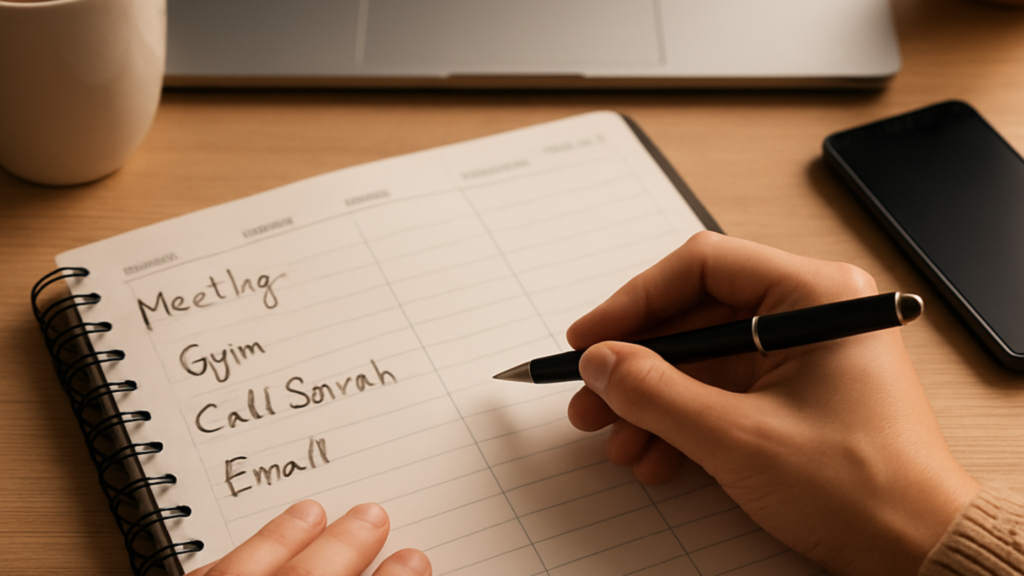
Each morning (or the night before), pick your top 3 tasks for the day. These are your non-negotiables — everything else is a bonus.
Step 4: Use Time Blocking
Assign specific times to your most important tasks. This prevents your day from being hijacked by distractions and low-priority items.
Step 5: Review and Reflect Weekly
Every week, spend 10–15 minutes reviewing what went well, what didn’t, and what to adjust. This reflection habit is what separates people who drift from people who grow.
Looking for a specific recommendation? Here are some of the best options available right now:
🏆 Best for Busy Women
The Guided Planner for Busy Women is designed specifically around the demands of modern women — balancing work, family, health, and personal goals. It includes daily, weekly, and monthly layouts plus goal-setting pages.
🏠 Best for Home Organization
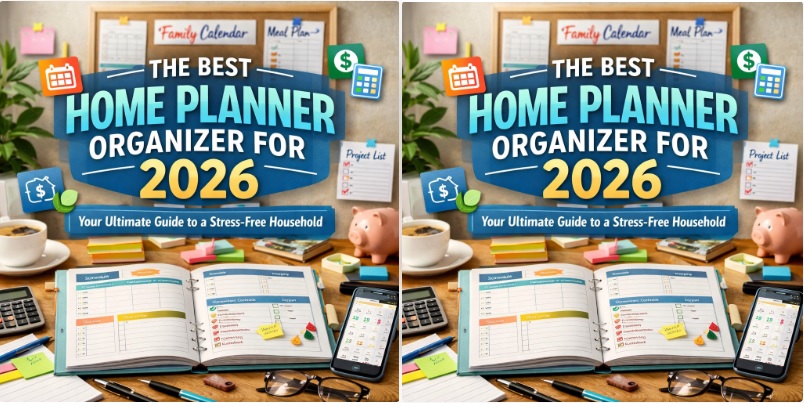
The Best Home Planner Organizer for 2026 keeps your household running smoothly. From meal planning and budgeting to chores and maintenance schedules — it covers everything.
📦 Best for Moving
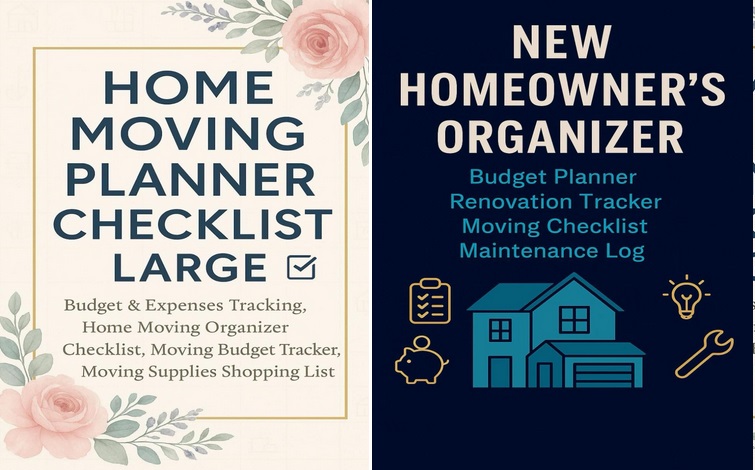
Moving house? The Home Moving Planner Checklist takes the chaos out of relocating with a step-by-step system that leaves nothing to chance.
For those who prefer going paperless, check out the best digital planners — fully interactive PDFs that work beautifully on iPads and tablets.
Personal Planner Tips for Beginners
If you’re new to planning, here are some simple tips to help you build the habit fast:
Start small. Don’t try to fill every section on day one. Begin with just a daily task list.
Keep it visible. Your planner can’t help you if it’s buried in a drawer. Put it on your desk.
Be consistent, not perfect. Missed a day? No problem. Just pick up where you left off.
Use color coding. Assign a color to different areas (work = blue, personal = green, health = orange). It makes your planner easier to scan at a glance.
Personalize it. Add stickers, photos, motivational quotes — anything that makes you excited to open it.
Review every week. A weekly review is the most powerful habit you can add to your planning routine.
Most people start with a blank planner and give up within two weeks. Why? Because they don’t know what to write.
A guided planner solves this. It includes prompts, questions, and structured sections that tell you exactly what to think about each day, week, and month. You don’t have to figure it out — the planner does it for you.
This is exactly what GuidedPlanners.com specializes in. Every planner is designed with intention, helping you reflect deeply, plan smartly, and act consistently.
What is the difference between a personal planner and a diary?
A diary is typically used for recording past events and personal reflections. A personal planner is forward-looking — it helps you plan, schedule, and organize future tasks and goals. Many modern planners combine both features.
How do I start using a personal planner if I’ve never used one before?
Start simple. On day one, write down your top 3 tasks for the day. That’s it. Once that becomes a habit (usually within 1–2 weeks), start adding weekly goals and monthly planning. Don’t try to do everything at once.
Is a digital planner or paper planner better for productivity?
Both can be extremely effective. Research suggests handwriting improves memory and retention, which gives paper planners an edge for learning and goal-setting. Digital planners win on convenience, searchability, and portability. The best planner is the one you’ll actually use consistently.
Ideally, every day. Take 5–10 minutes each morning to plan your day, and 5 minutes each evening to review it. Add a 15-minute weekly review on Sundays. This simple routine takes less than 30 minutes a week but dramatically changes your results.
Are guided planners worth it?
Absolutely — especially for beginners. A guided planner removes the guesswork by providing prompts and structure. Instead of staring at a blank page, you’re guided through exactly what to think about. Most people find they stick with guided planners far longer than blank ones.
Conclusion: Your Best Life Starts With a Personal Planner
A personal planner isn’t just a notebook. It’s a commitment to yourself. It’s the declaration that your time, your goals, and your energy matter.
Whether you choose a daily planner, a goal planner, a printable planner, or a fully digital option, the most important step is simply to start. Pick the format that feels right, open it up, and write down what matters to you today.
The people who consistently use a time management planner aren’t more talented or more disciplined than everyone else. They just have a better system.
You can have that system too — starting right now.