You want a wedding that feels like you — not a watered-down version of what you actually dreamed of.
But the budget? It’s staring back at you like a math problem you didn’t sign up for.
Here’s the truth: you can absolutely save $10,000 on your wedding without gutting the things that matter. I’ve spent over five years designing digital planners and working with couples on their wedding finance and budgeting strategy — and I’ve seen firsthand how small, smart decisions compound into huge savings.
This isn’t about cheap. It’s about being strategic with your wedding expenses so the money goes where it counts.
Let’s get into it.
First, Know Where Your Wedding Budget Actually Goes
Before you cut anything, you need a full picture of your wedding costs. Most couples skip this step and end up hemorrhaging money they didn’t even know they were spending.
Here’s a rough breakdown of where the average US wedding budget lands:
- Wedding venue: 28–35% of total cost
- Wedding catering: 35–40% of total cost
- Wedding photography and videography: 10–15%
- Wedding flowers and florist: 8–10%
- Wedding entertainment (DJ or band): 5–8%
- Wedding dress, attire, hair, makeup: 5–8%
- Wedding invitations and stationery: 2–3%
- Wedding cake: 2–3%
- Wedding decorations: 3–5%
Once you see it laid out like this, you immediately know where the biggest opportunities are.
The venue and catering alone make up over 60% of your wedding costs. That’s where your biggest savings are hiding.
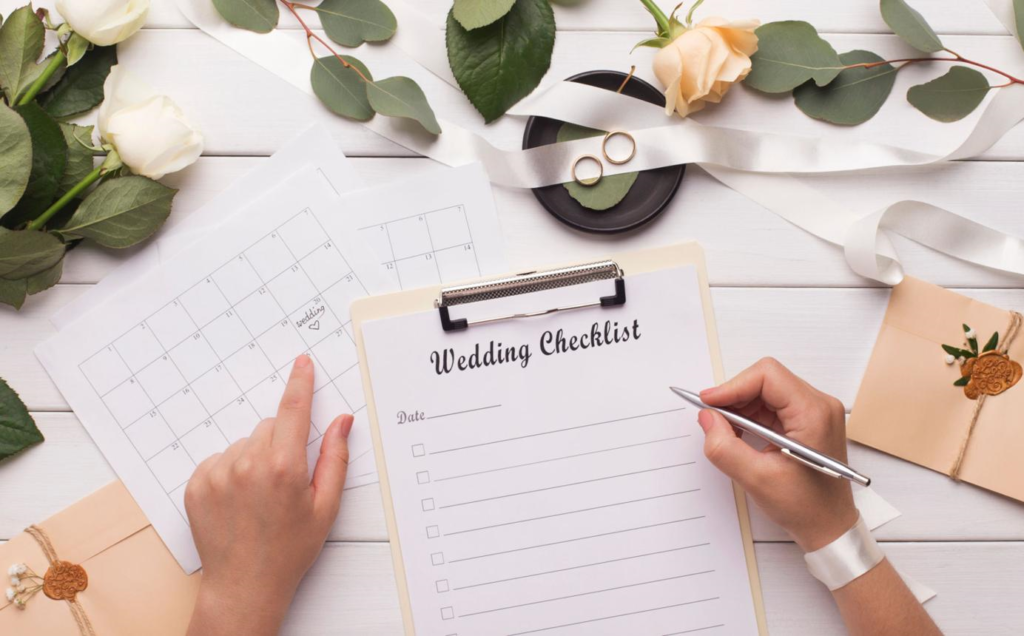
I always recommend starting your planning with a solid wedding budget template or expense tracker. My go-to tool? A wedding budget planner with payment tracker — it keeps every vendor payment, deposit, and due date in one organized place so nothing slips through the cracks.
How to Save Money on Wedding Venues (And Still Get a Beautiful Space)
Let me be direct: the venue is where couples lose the most money. And it’s also where they have the most power to negotiate — if they know what they’re doing.
1. Consider Non-Traditional Venues
Art galleries, parks, farms, backyards, restaurants with private rooms, community centers, rooftop spaces — all of these cost a fraction of what a hotel ballroom or dedicated wedding venue charges.
A friend of mine had her wedding at a botanical garden rental space for $1,200 versus the $6,500 venue she originally looked at. Same flowers. Same vibe. Way less money out the door.
2. Go Off-Peak
Friday evenings, Sunday afternoons, or weekday weddings can save you 20–40% on venue and catering costs. January, February, and November are typically the cheapest months.
3. Negotiate Packages
Always ask: What’s included? What can we remove? Venues often bundle services you don’t need — like an in-house bar package, chair rentals, or required catering. Negotiating these out saves real money.
4. Limit Your Guest List
This is the most uncomfortable tip, and the most effective. Every guest costs you money — on food, drinks, invitations, favors, and seating. Cutting 20 guests can save $2,000 to $4,000 depending on your per-head catering cost.
How to Save Money on Wedding Catering Without Anyone Noticing
Catering is the second biggest expense and one of the most negotiable. Here’s how to approach it without sacrificing quality.
- Choose a buffet or food stations over plated dinners. Plated service requires more staff and has higher per-head costs. Buffets can save $15–$30 per person.
- Skip the open bar — go with a beer and wine package. Spirits mark up significantly. A curated beer and wine selection cuts your bar tab considerably.
- Time your wedding outside of dinner hours. A 2 PM ceremony with a 3–6 PM reception means you serve appetizers and light bites instead of a full dinner. You can easily save $50–$80 per guest.
- Ask about a “consumption bar” vs. an open bar. You pay for what’s actually consumed rather than a flat per-person rate.
- Use a local catering company over venue-required caterers. In-house catering at venues tends to carry a premium. If the venue allows outside caterers, bring your own.
When you’re tracking vendor payments and comparing bids, having a wedding budget planner makes it much easier to see side by side what each option actually costs over time.
Budget Wedding Decorations That Look Like You Spent a Lot More
Here’s a principle I come back to constantly: buy less, but buy better.
Minimalist wedding aesthetics are everywhere right now, and they work with a small budget. A few deliberate, beautiful pieces always look more intentional than dozens of cheap ones.
DIY What Makes Sense
Be strategic about DIY. Good candidates:
- Table numbers, escort cards, and signage
- Centerpiece candles and votive holders
- Ceremony aisle markers
- Welcome table styling
Not-so-great DIY candidates (too stressful day-of): wedding flowers, wedding cake, and anything that requires refrigeration.
Rent Instead of Buy
Candle holders, charger plates, lanterns, arches, and specialty linens can all be rented from event rental companies at a fraction of what buying costs. And you don’t have to haul anything home.
Use Greenery-Heavy Designs
Greenery and lush foliage are dramatically cheaper than blooms. Eucalyptus, ferns, and ivy cost a fraction of peonies and roses, and the effect can be just as lush.
If you’re planning a wedding and your mom needs her own planner to stay organized (because she absolutely will), check out the Mother of the Bride Organizer Planner it covers everything from outfit planning to guest coordination in one place.
Photography and Videography: Where Not to Cheap Out
This is the one category where I tell people: don’t sacrifice quality for savings.
Your wedding photos are what you have forever. I’ve seen couples regret cutting their photographer budget — and never once heard anyone regret investing in great photos.
That said, there are smart ways to save here:
- Book an associate photographer from a larger studio. Many established studios have second photographers or associates who shoot at lower rates with the same quality training.
- Skip the second shooter or limit hours. Discuss with your photographer what’s actually necessary for your day.
- Choose photography only, not videography. If you’re budget-constrained, photographs tend to be more frequently referenced than video.
- Book in the off-season for better rates and availability.
The Wedding Dress: How to Save Without Settling
The average US wedding dress costs between $1,500 and $2,500. There’s serious room to save here.
- Sample sales: Bridal boutiques clear out last season’s gowns at steep discounts — sometimes 50–80% off.
- Consignment and resale: Sites like StillWhite and PreOwnedWeddingDresses.com are full of worn-once gowns in excellent condition.
- Off-the-rack retailers: BHLDN (Anthropologie’s bridal line), Azazie, and similar brands offer beautiful gowns at $200–$800.
- Skip the alterations markup: Get quotes from independent seamstresses rather than going through the boutique for alterations.
Wedding Invitations: Spend Less, Still Impress
Paper invitations are a meaningful tradition, but they don’t have to be expensive.
- Digital invitations: Platforms like Paperless Post let you send stunning digital invites for free or very low cost.
- Print at home or through Canva: Design your own invites in Canva, then print through a local print shop or an online service like Minted’s sale section.
- All-in-one invites: Combine your RSVP and details card into a single insert instead of multiple pieces.
- Digital RSVPs: A simple Google Form or wedding website RSVP eliminates response cards and return postage entirely.
Wedding Entertainment: DJ vs. Band vs. Playlist
Live bands are magical. They’re also expensive — often $3,000 to $10,000+.
A skilled DJ costs $1,000 to $2,500 and can read the room just as well.
And here’s the unpopular opinion: a curated Spotify playlist with a good sound system works beautifully for cocktail hour and dinner. Save the DJ for dancing.
Other cost-saving ideas for wedding entertainment:
- Ask a musically talented friend to perform one or two songs during the ceremony
- Use free streaming services for background music during cocktail hour
- Look for newer DJs building their portfolio — they often charge 50% less for equivalent skill
The Power of a Good Wedding Budget Planner
Here’s what I’ve noticed working in the planner design space: couples who track everything spend significantly less than couples who don’t.
It sounds obvious. But when you’re in the middle of wedding planning, there are so many moving pieces — vendor deposits, payment due dates, installment plans, last-minute add-ons that it’s genuinely hard to keep track without a system.
A wedding budget planner book with payment tracker gives you a single source of truth. You can see every expense, every deposit, and every upcoming payment at a glance.
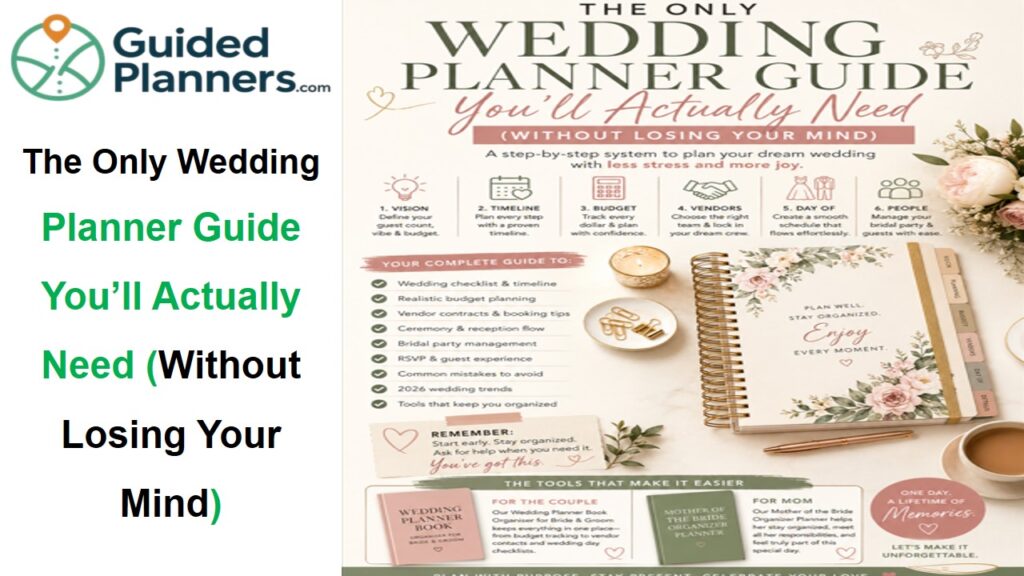
I also recommend the wedding planner book for bride and groom for couples who want a full planning system — timelines, vendor contacts, checklists, and budget allocation all in one organized book.
The act of writing it down — or filling it in — forces you to confront every expense before you commit to it. That discipline alone can save you thousands.
Quick Budget Wedding Tips That Actually Work
Here’s a fast list of cuts and swaps I’ve seen couples make successfully:
- Shorter guest list = biggest single savings. Every person you add costs $100–$250 when you add food, drink, and seating.
- Skip favors. Most guests leave them behind. Use that money elsewhere.
- Use a wedding website for all updates. This eliminates the need for extra paper mailings.
- Choose a venue that’s already beautiful. Less decoration budget needed when the space does the work.
- Serve a dessert bar instead of a wedding cake. Or choose a smaller display cake with a sheet cake in the back for serving.
- Ask for vendor discounts for booking off-season or on weekdays.
- Compare at least three vendors in every category. The first quote is rarely the best.
- Use a shared digital spreadsheet or budget calculator. Track every expense in real time with your partner.
Real Talk: What You Shouldn’t Cut
Not every line item is negotiable. Here’s where I’d keep the budget intact:
- Photography. You’ll look at these photos forever.
- Food quality. Guests remember the food. Make sure it’s good.
- The officiant. Don’t book someone who makes the ceremony awkward to save $100.
- Your own comfort. If the wedding dress or suit makes you feel amazing, that’s worth it.
The goal of cutting wedding costs is to free up money for the things that matter most to you not to make the day feel smaller.
How to Stay on Track Throughout Wedding Planning
The budget conversation doesn’t end after you set it. Here’s how to stay disciplined:
- Review your wedding budget weekly or at minimum after every vendor meeting.
- Track every payment in your budget tracker the day you make it.
- Build in a 5–10% buffer for unexpected costs. They will come up.
- Separate wants from essentials in your wedding checklist. Label them clearly.
- Have one partner designated as the budget owner. Decisions get cleaner when one person has final say on spend.
If you’re a mother of the bride who wants to stay organized and contribute meaningfully without stepping on toes, the best wedding planner for mother of the bride guide covers everything you need.
FAQs: Saving Money on Your Wedding
What’s the single biggest way to save money on a wedding?
Reduce your guest count. Every person you add to the list costs you money across catering, seating, invitations, and favors. Cutting 20–30 guests can save $2,000 to $6,000 or more depending on your per-head cost.
How do I save money on wedding catering without it feeling cheap?
Choose a buffet or family-style service instead of plated meals, offer a curated beer and wine bar instead of a full open bar, and consider a late-morning or early-afternoon reception that calls for brunch or appetizers rather than a full dinner.
Can I have a beautiful wedding for $15,000?
Yes but it requires prioritization. You’ll need to make strategic choices about guest count, venue type, and which categories get the lion’s share of the budget. A wedding budget planner helps you allocate your funds intentionally rather than reactively.
What is a wedding budget tracker and do I need one?
A wedding budget tracker is a tool digital planner, spreadsheet, or printable template that lets you record every expense, deposit, and payment due date related to your wedding. Yes, you need one. Couples who track their spending consistently spend less and stress less.
How do I negotiate with wedding vendors?
Get multiple quotes before negotiating. Know your budget going in. Ask what’s flexible packages, add-ons, timing discounts, off-season rates. Be direct about your budget ceiling. Most vendors would rather adjust than lose the booking.
What are the best cheap wedding ideas that look expensive?
- Candle-heavy reception decor (dozens of candles are inexpensive and look luxurious)
- Greenery-forward floral arrangements over expensive blooms
- Beautiful stationery printed at home in a consistent design theme
- A smaller, photogenic wedding cake with a sheet cake for serving
- Curated cocktail hour music through a streaming playlist with good speakers
Wrap-Up: You Can Save $10,000 on Your Wedding Without Cutting What Counts
Saving $10,000 on your wedding isn’t about gutting the experience. It’s about being intentional with every dollar so you’re spending on what actually matters to you and your partner not what feels expected or what a vendor wants to upsell you on.
The couples who pull this off successfully share a few things in common:
- They tracked every expense from day one
- They compared vendors before committing
- They made decisions based on their own priorities, not what weddings “should” look like
- They used a system a wedding budget planner, a checklist, a tracker to stay grounded
Your starting point: grab a wedding budget planner with payment tracker and start mapping out your real numbers. Once you see the full picture, you’ll know exactly where your $10,000 in savings is hiding.
How to save $10,000 on your wedding without cutting essentials starts with one decision: to plan with intention instead of impulse.
You’ve got this.
Written by Guided Planners planner design experts with over 5 years of experience creating digital planners, journals, and productivity tools. Creators of multiple guided planners designed to simplify organization and boost productivity.